Earn Your Place
As a founder, it's common for people to want to know what I did before this, what brought me here, and what my why is. The classic founder story. I must admit, from the start, I've often felt like I was moving from a place of urgency and necessity. But last week, I attended an industry summer camp hosted by one of our favorite suppliers, Rupt, where industry leaders came together to have bold conversations that move our industry forward. Josh Ellis, Director of Media, Research, and Public Affairs at PPAI, challenged us to fully understand self and purpose, and I've come here to provide explicit clarity.
The first time I sold merch was in my hometown of Omaha, Nebraska, on a January day at a Tennis concert (not to be confused with the sport). It wasn't as a distributor, but as a merch girl who had just hauled boxes and boxes of T-shirts across a sticky-floored venue. The next morning, they picked me up in the middle of a snowstorm in one of those Cruise America RVs with a photo of a dog in the door window. The heat didn't work, but it didn't matter. I was about to travel the country with a band I'd been a fangirl of for years.
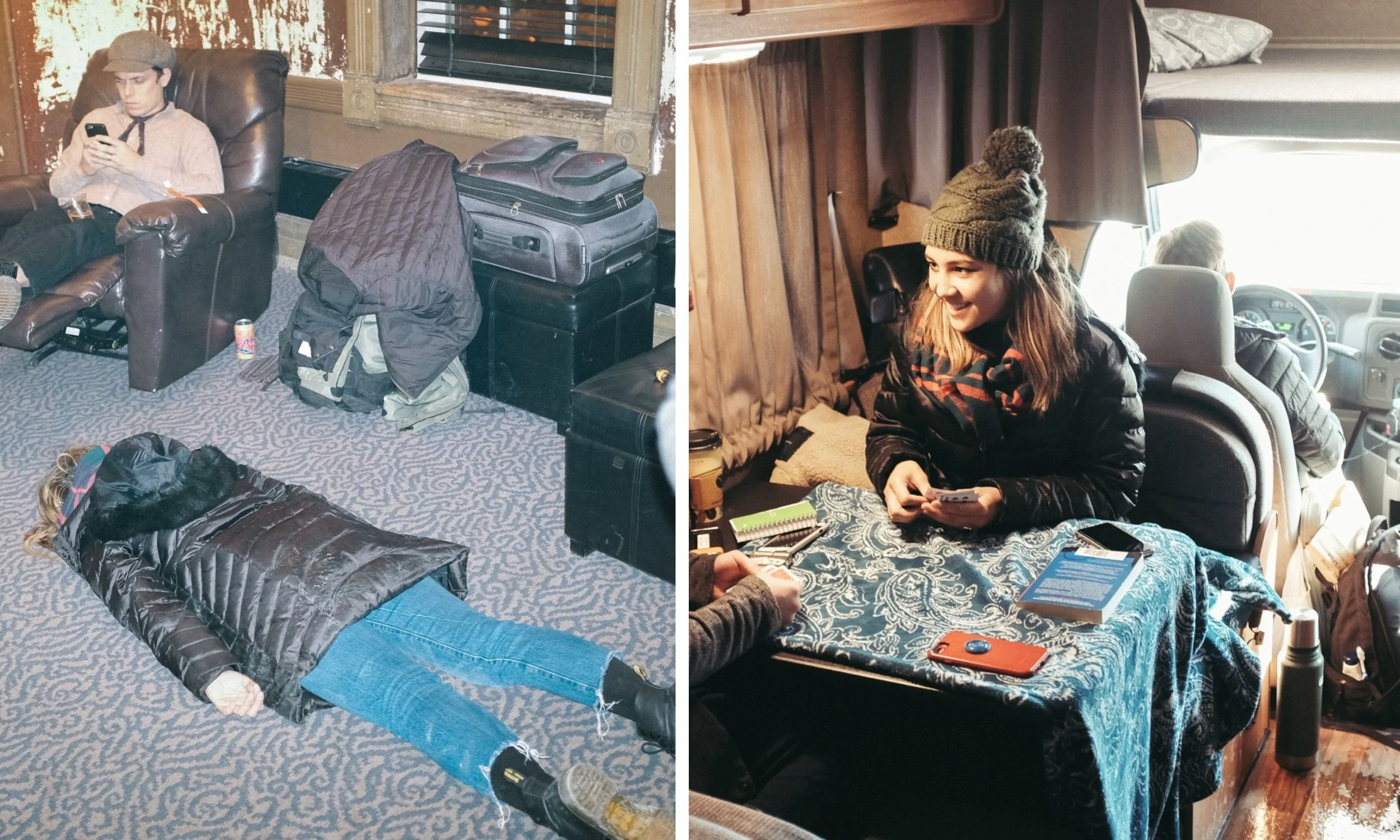
My mom thought I was crazy to quit my job for a four-week tour, but it ended up being the catalyst for where we are today (with me employing her, no less). The thing about selling concert merch across the country is that you start to see the same people, year after year, and sometimes even night after night. One fan broke her arm trying to get to the front of the show in LA. The next day, when we pulled up in San Diego, there she was, cast and all, so stoked to be there. I still remember her greeting me by name as soon as I hopped out. I realized that a nurtured community consistently shows up.
Music has a way of captivating us and immediately creating a connection when you discover someone loves the same artists you do. I realized the merch I was selling was a signal of that community. At the start of new tours, people would be chomping at the bit to see the new designs and add them to their collections. The commitment to the band was there, but underlying it was a commitment to each other: singing lyrics together, not knowing the details of each individual experience, but understanding the shared feeling the song evoked.
Eventually, my mom told me I needed a real job with benefits, as if health insurance could beat the pure joy on a fan's face post-show, buying three vinyls just to get the free tote. Despite my resistance to quitting the road, I started at a promotional products company that let me work remotely so I could do both. But, to be honest, I kind of hated the industry at first. It was a stark contrast to my experience in the music industry. There wasn't any creativity, no purpose or feeling in the products, and a whole lot of money wasted on a whole lot of bullshit. Boring, uninspired, and completely against my moral commitment to climate justice. You’re telling me you're wasting money AND resources?!
Turned out my mom was right. I did need health insurance. I had two slipped discs after hauling boxes in and out of venues every night, and it wasn't getting any better. I went to work at a B2B2C startup, which reinforced my belief that the fan experience, or in this case, the recipient's experience, is as important as our client's definition of success. You're serving two customers, the one who pays and the one who receives, and the industry barely ever designs for the latter.
And somehow this industry is a $27.7 billion business. North American distributors hit that record in 2025.
Seven years in, and here's the embarrassing part. PPAI says a giveaway gets about five seconds before it hits the trash. Five f*cking seconds. Their research is blunt about why: low durability, lazy design, nothing relevant about it. Meanwhile, two-thirds of people say they want recycled or reusable materials, and half say a brand's eco-commitment changes whether they trust it. The demand is sitting right there in the open. And only a third of distributors say their clients ever ask for it. The customer figured this out years ago, but the industry is still pushing out junk and calling it marketing. Be SERIOUS, people.
When I started Bel, I knew I couldn't honestly advise clients to keep buying merch just for the hell of it. They (I don't really know who specifically) said that to succeed, you have to find a target audience: education, non-profits, health, etc. Rinse and repeat. The issue I have with that method is that it can limit creativity by fostering too much comfort with repetition, leading to stagnation. I didn't care what industry my clients were in. I cared whether they wanted a creative partner to make cool shit that had an actionable impact. Clients who aren't just looking for a target audience to observe from the sidelines, but who want to build a community that authentically engages with their brand. Your audience isn't target practice. Stop shooting them with random merch. Use data and strategy to understand how they actually want to show up in the community you're building.
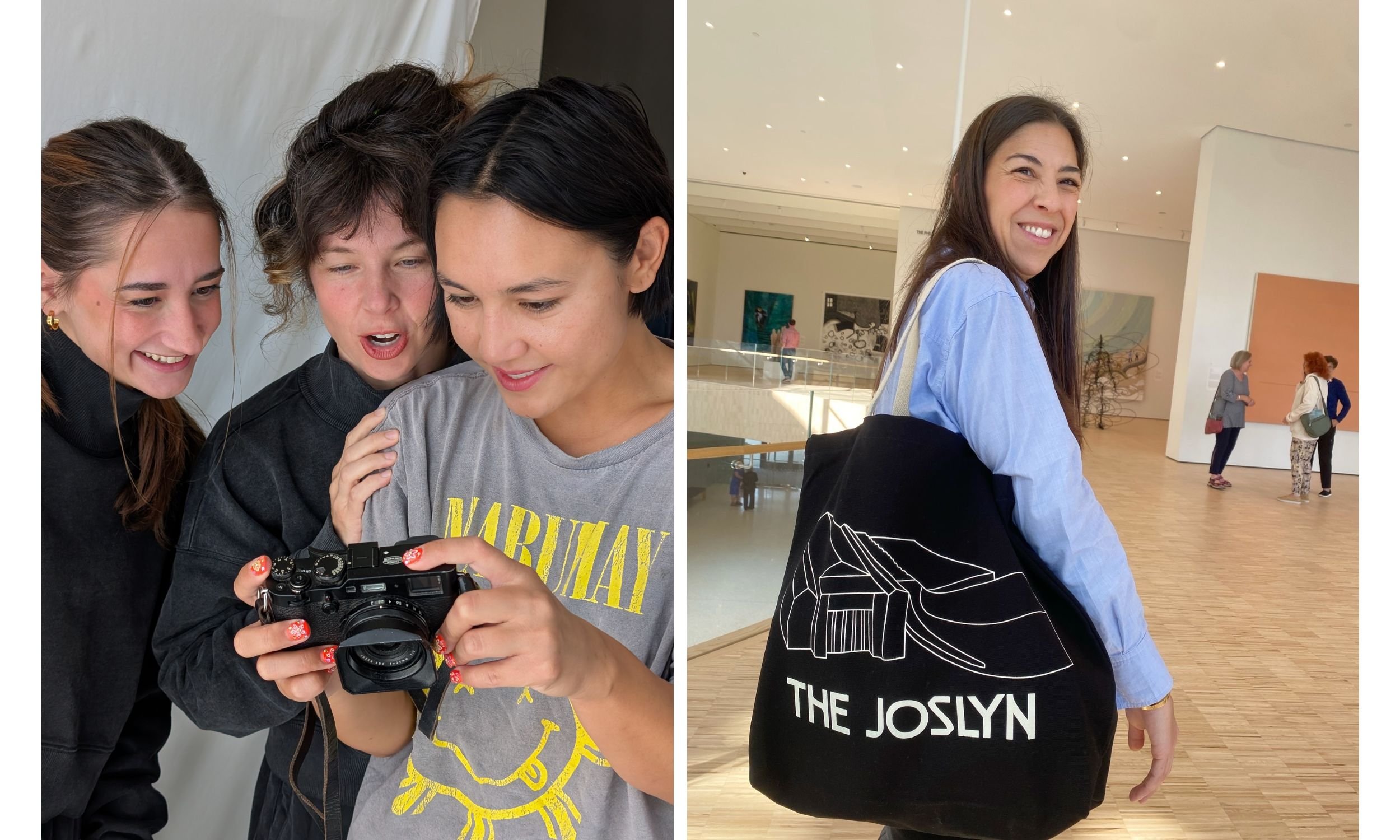
It was never our client's job to dig through a dozen vendors hunting for the right product. That's our job. I learn the project, then hand them a curated collection to choose from. Their job is HR, or marketing, or running the event and buying merch was never in the description. They need a partner, not Amazon.
I believe the only way to start actively reducing the amount of money wasted in our industry is to work strategically and focus on building community. James Martin spoke at the Rupt summer camp about how merchandising is an opportunity to build meaningful memories through creative solutions, and I thought, "Wow, that's exactly what I'm trying to do."
Time is the most precious resource we have, and we can never get more of it.
Bel exists to help brands create moments and inspire belonging. That's why I've been prioritizing activations. They're reminiscent of seeing pure joy on fans' faces at concerts. Most of the time, we send products directly to our clients and never see the end user's emotional reaction. But at activations, I get to see the impact of our collaborative community I’ve built with my clients in real life, and that's how I want to spend my time in this industry.
A word on budget, because it's real and I won't pretend otherwise. To put it bluntly, I'm not built for the bid-out model, where the work goes to whoever's cheapest that week. Win a bid and you still haven't won the next one. I'd rather work together with my clients for years than re-win a pipeline of one-offs every quarter. In the same way I want people to keep what we make, I want to keep the people we make it for. Give your community something to believe in and rally around, the way musicians do, and they will keep you around, too.
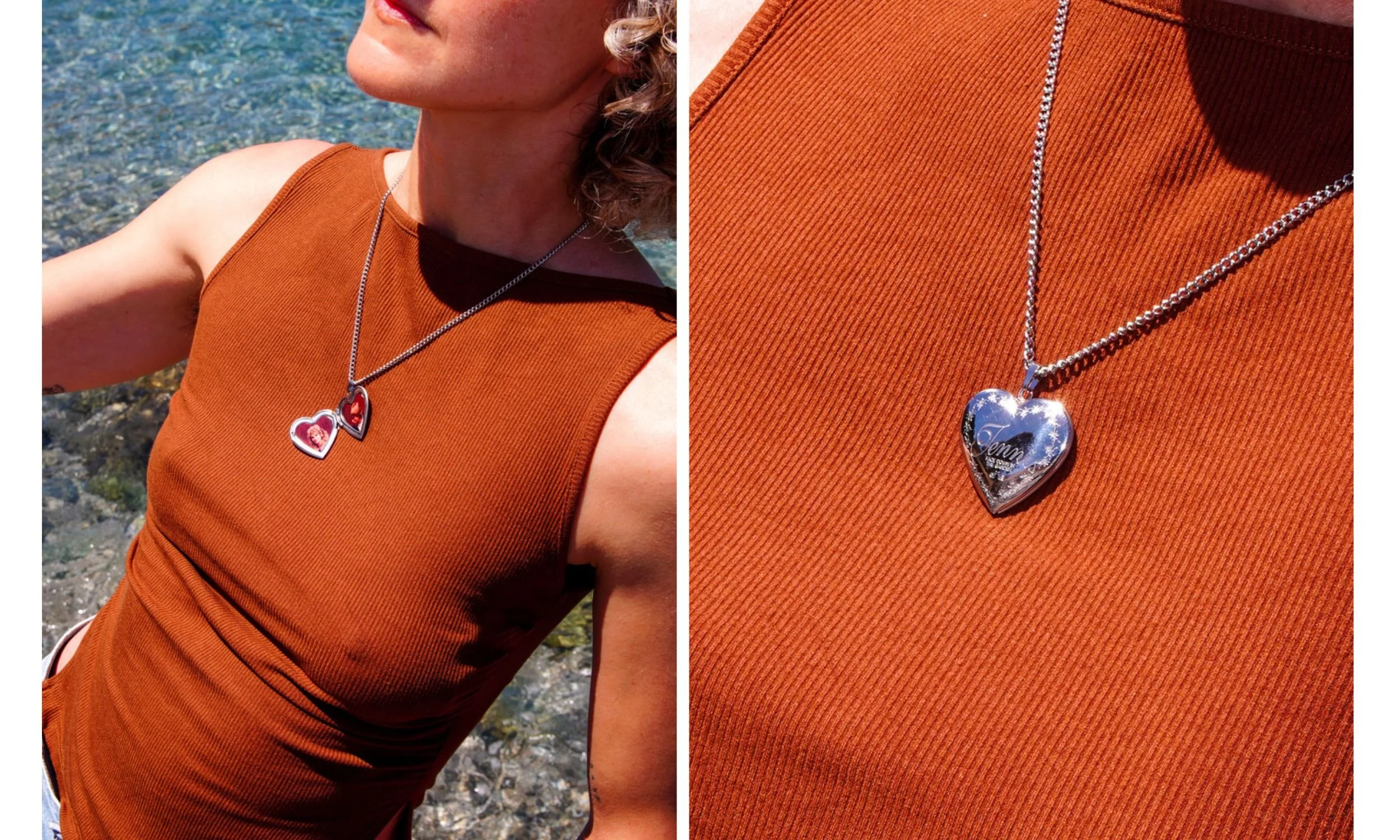
I don't sell Tennis merch on the road anymore. But for their farewell tour in 2025, I got to make heart locket necklaces, engraved and modeled on their album cover, with Patrick and Alaina’s photos set permanently inside and room left for fans to add their own. They sold out, more than once.
I can see now that the pattern of my work has always been creativity and community, together. Communal creativity. Josh Ellis asked us to understand self and purpose. There's my clarity. If it's not worth keeping, it's not worth making. I'm still that merch girl on the venue floor. I just know now what I'm building, and why.