"I am building my body of work today."
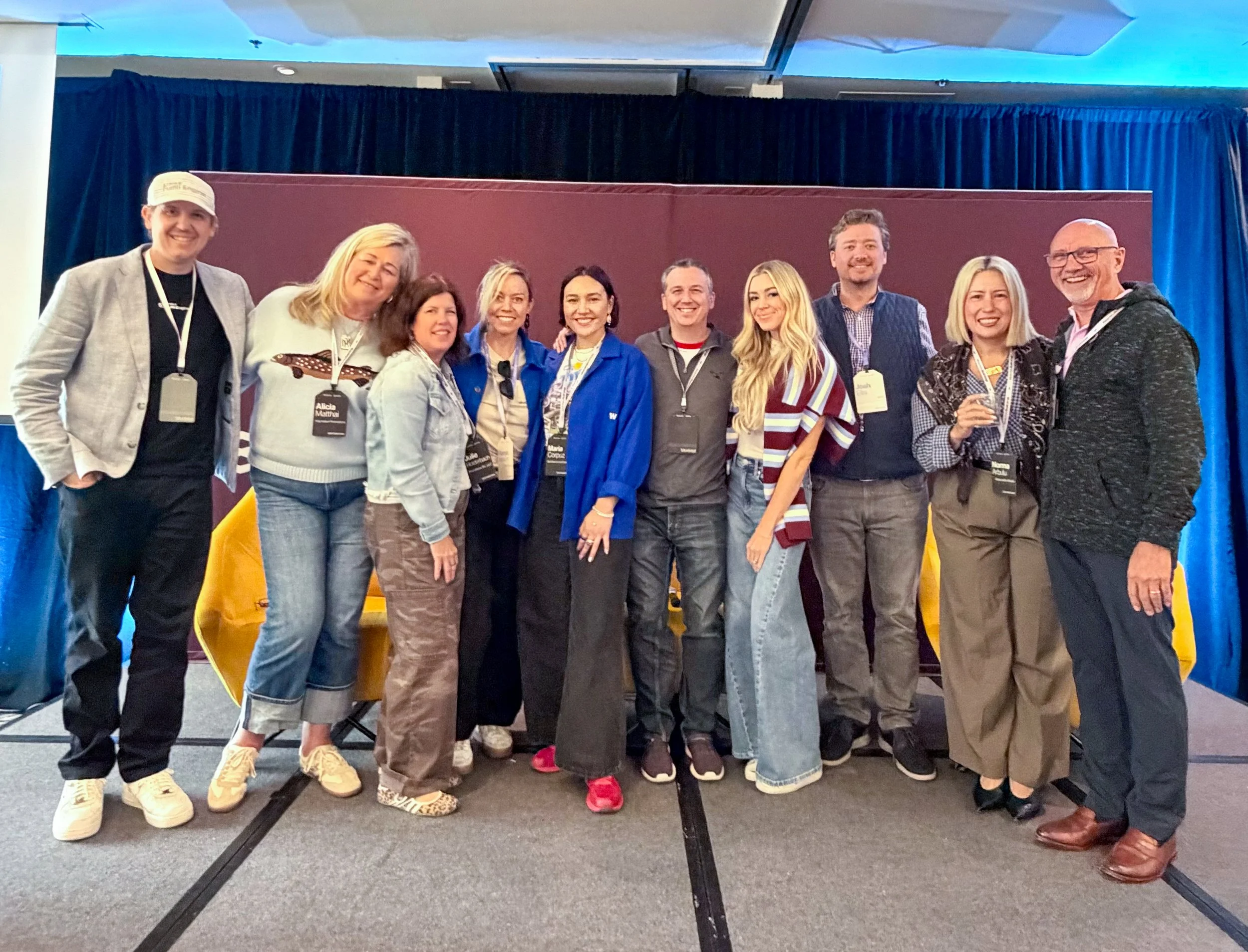
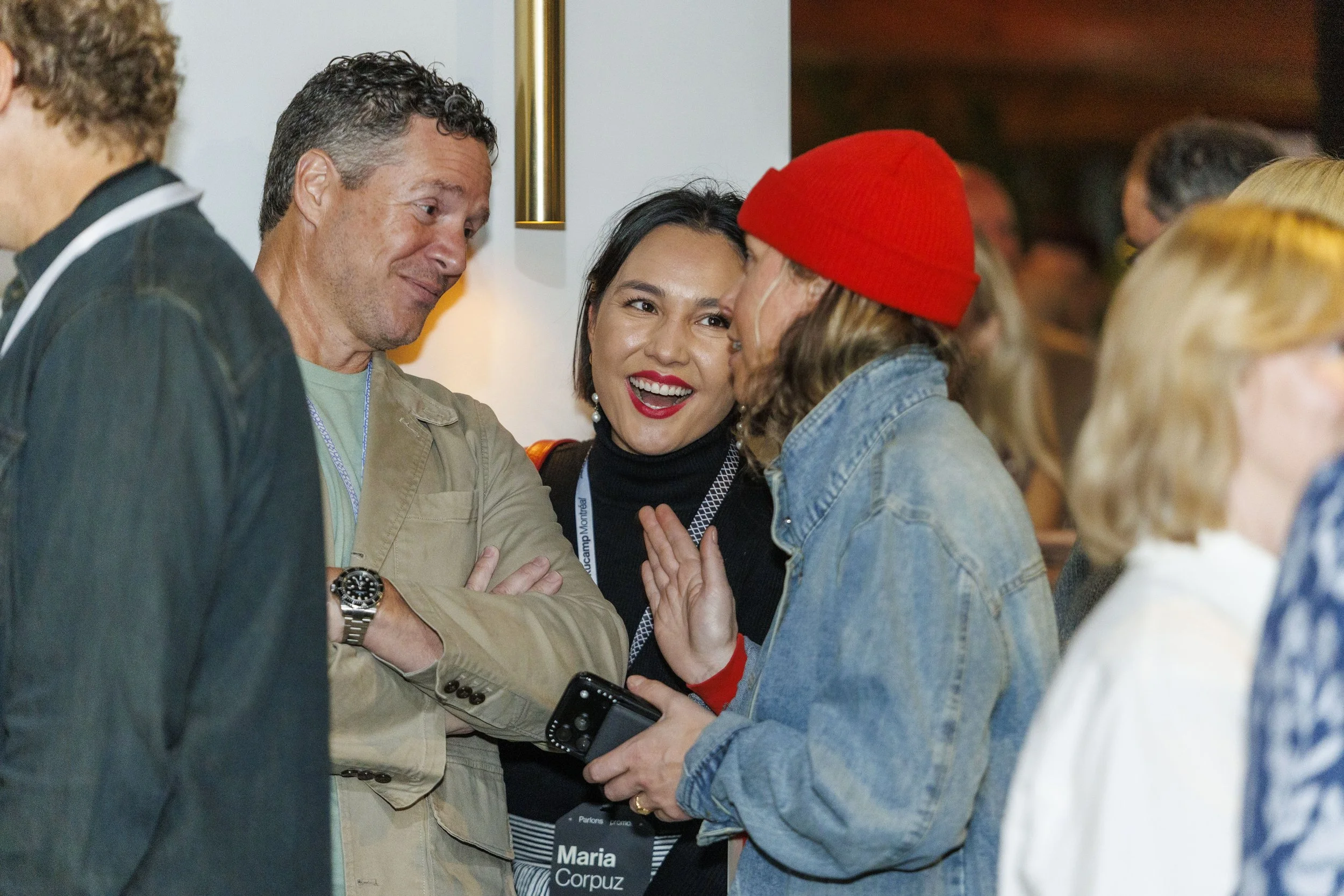
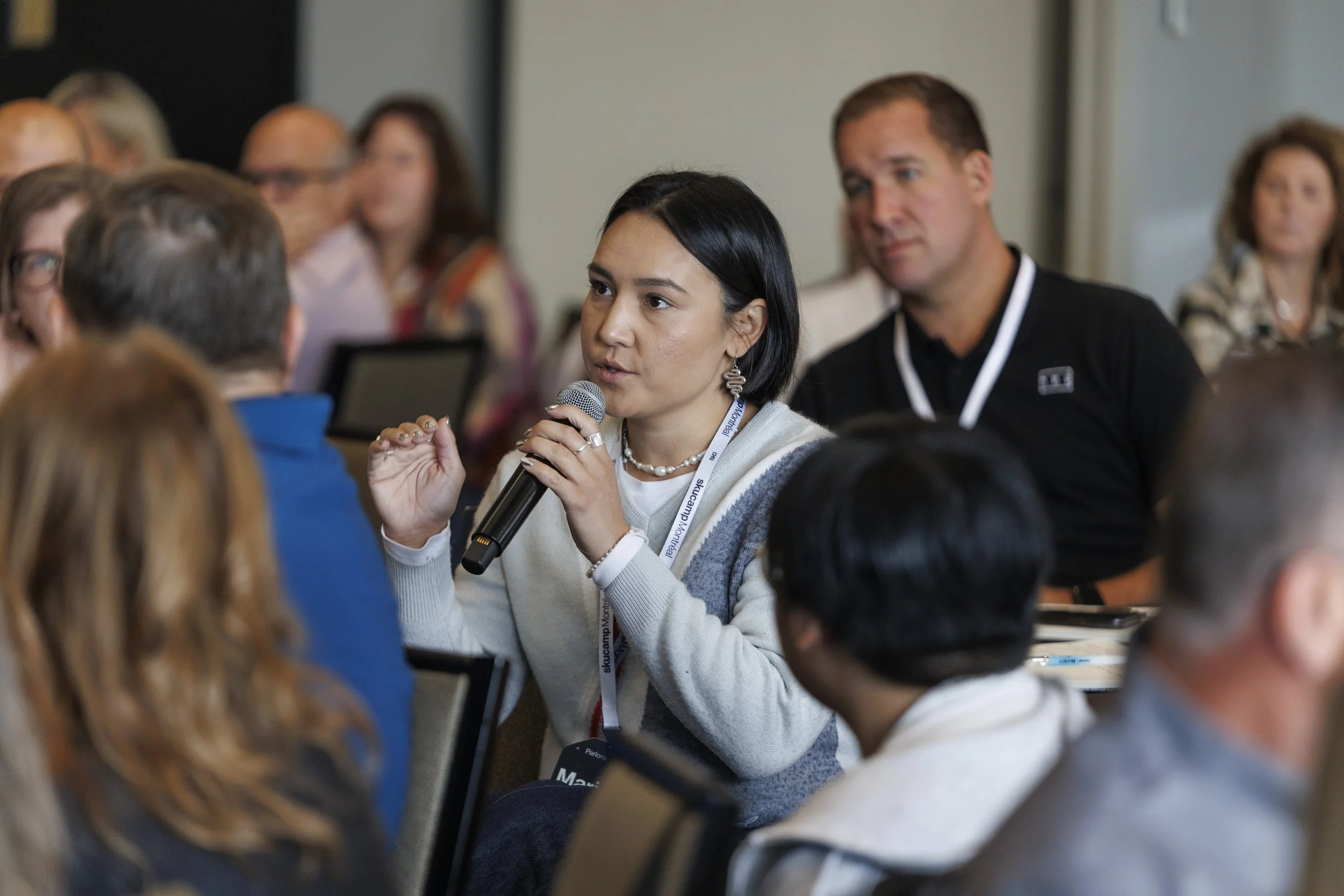
I kept coming back to that line all weekend. I went to skucamp this year because it's built for leaders in the merch industry and focuses on working on the business, not just in it. Three years in, I'm still building that muscle. I went to learn from distributors and suppliers further down the road. I didn't expect to end up on stage with them, but they asked me last minute to speak on a panel, and it became one of the best parts of the weekend.
Success is agency.
My friend Renya spoke, and she said that for her, success is about agency. I couldn't agree more, and it felt good to hear other people in this industry working from that same place. A few years ago, owning my own business was the dream: building collections people actually want to keep, supporting local makers, finding products that don't exist anywhere else yet. Hearing my own definition of success echoed back by people I respect was its own kind of confirmation.
Merch is a cultural tool.
The most impactful session for me was Ana Andjelic's. "A brand doesn't win with one great piece of merch. It wins by running a portfolio of them." Merch should create cultural, social, and emotional capital, and her talk changed the language I want to use with clients, especially around why we say no to certain products.
Here's what I mean. A client comes in wanting a giveaway at seven dollars an item. You can't make a good version of a lot of things for seven dollars. The old conversation is about price. The better conversation is about whether that item builds community among the people who love your brand, or quietly chips away at it. Once you frame merch as a tool to amplify a brand in culture, saying no to the flimsy version isn't being difficult. It's protecting the brand.
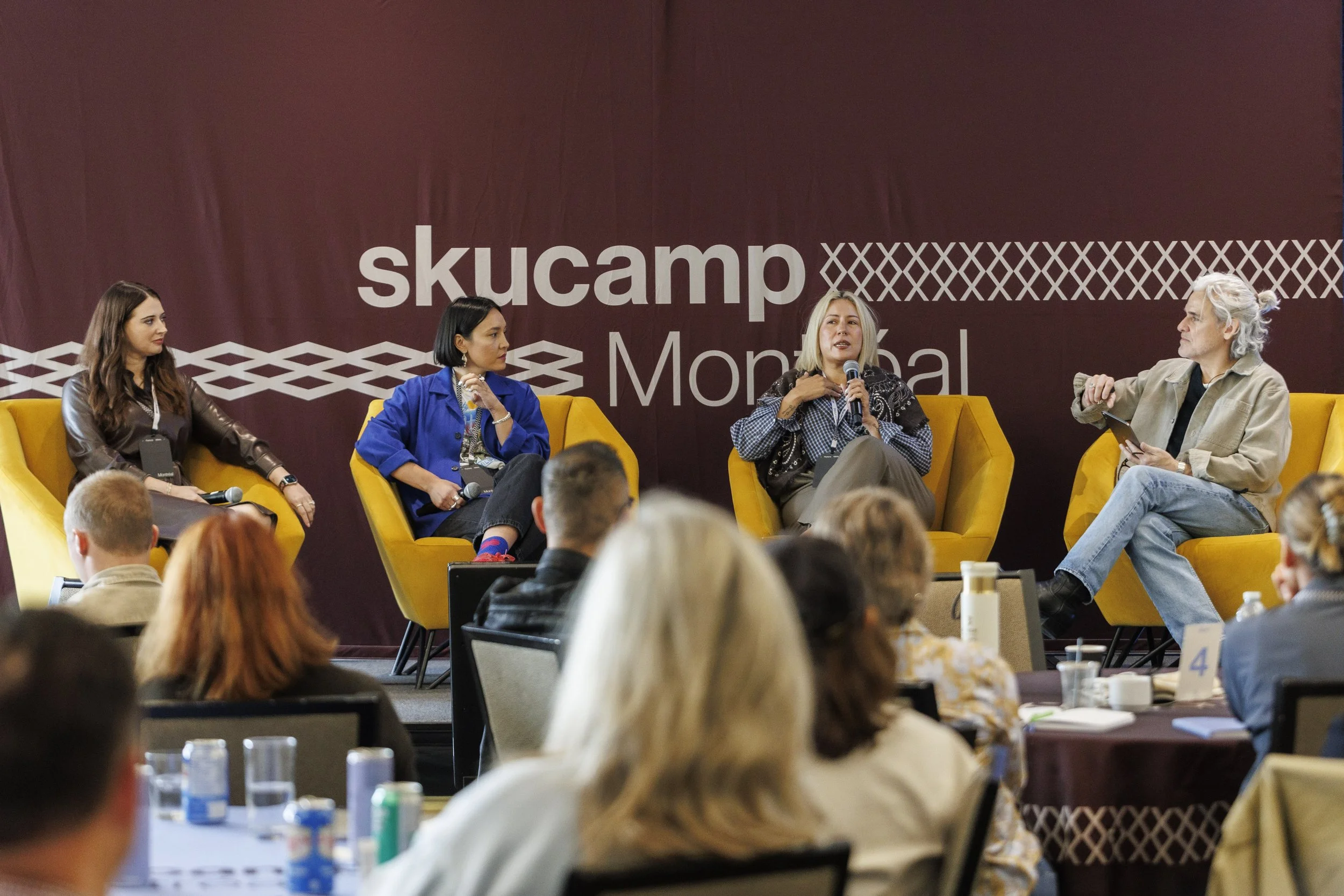
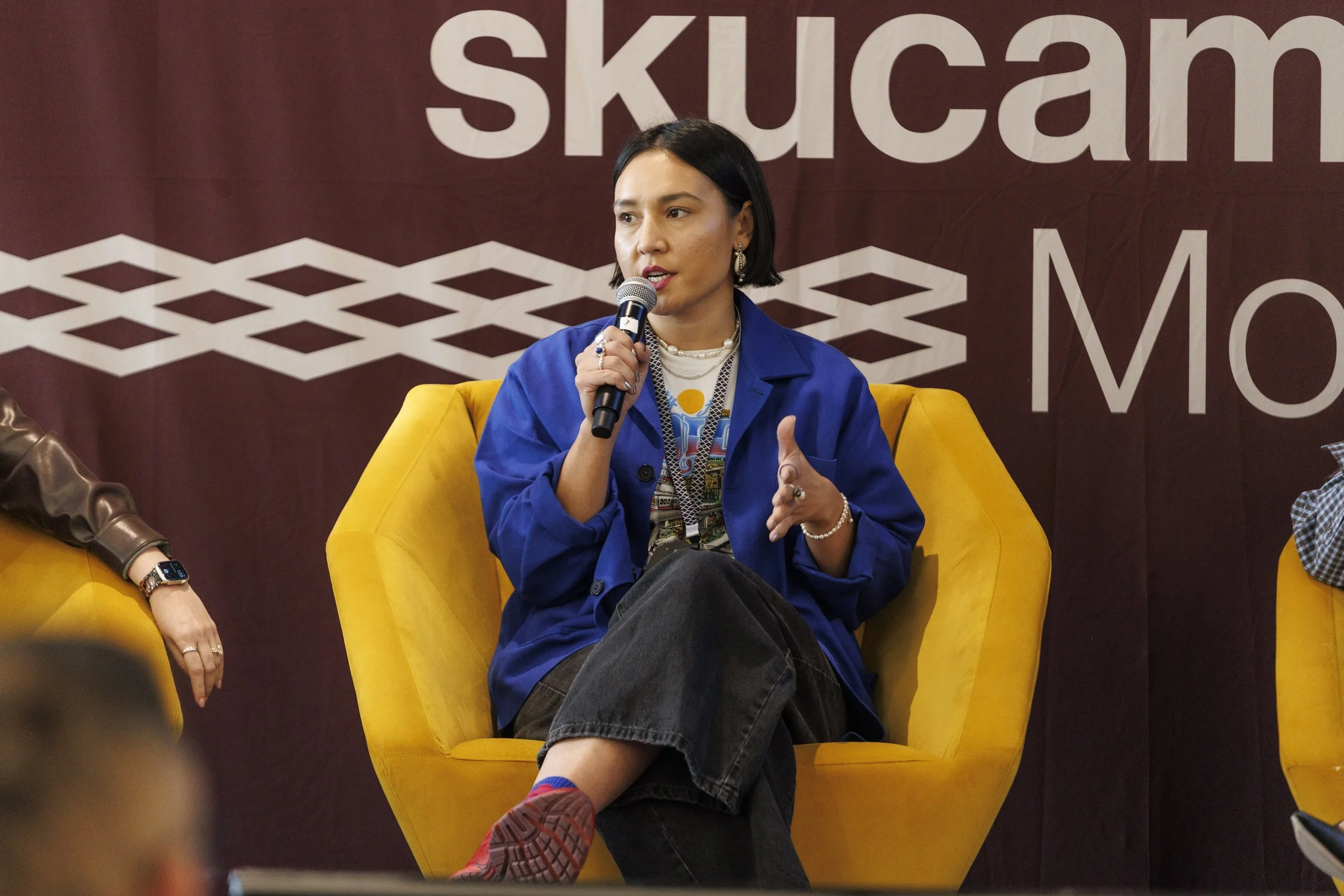
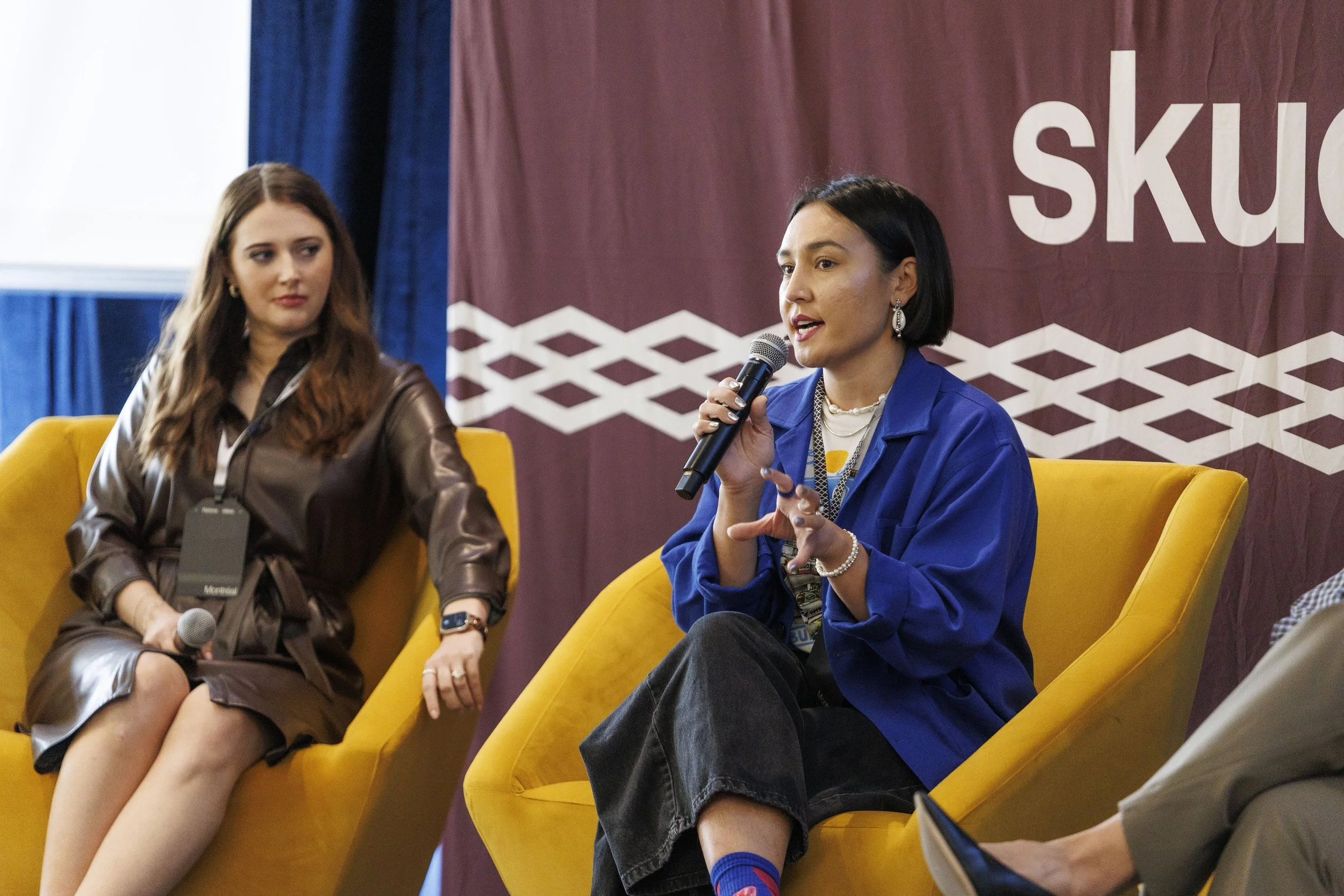
On stage: building a customer-obsessed culture.
The panel was a lightning round, twenty minutes on what it actually takes to be obsessed with your clients. Getting asked last minute meant I couldn't over-polish anything. I just had to say what I believe. These are the lines I'd stand behind any day:
Service is predictable. Obsession is over the top, and it costs something. A live maker on the floor, a queue system, the signage. You choose to spend it.
A great experience starts with who receives it, not who orders it. Before a big event, I like to get the heads of every department on one call, so we can build one activation that counts as a win for more than one team.
If you change the experience, last year's numbers stop being your baseline. Plan for it.
Transactions live in our software. Preferences live in my notebook, in my handwriting. That works because I'm in every conversation, and it stops working the day I'm not. So we're building intake questions for every first meeting and every meeting after, because a system only holds what you thought to ask.
It was a little surreal to sit on a panel at a conference I came to learn from, and it was a good reminder that three years in, I have things worth teaching too.
AI is a tool. Taste is the product.
The last question on the panel was what should never go to AI, and it was already on my mind, because one thing that surprised me all weekend was how differently companies are using it. One company with over a hundred employees built its own internal AI system so everything stays on brand. Impressive, and honestly overkill for a studio my size. But it made me think hard about how AI should work at Bel.
My answer: AI is a tool, not a decision-maker. I'm not interested in conjuring images out of thin air. I'd take a real image and adjust the colors or drop in a logo, with human eyes on everything. The parts nobody misses, like sorting options, first-pass copy, and spec sheets, are fair game. But taste, deciding what's actually worth making, stays human. The second a client can tell the idea came from a machine, the thing they were really buying is gone.
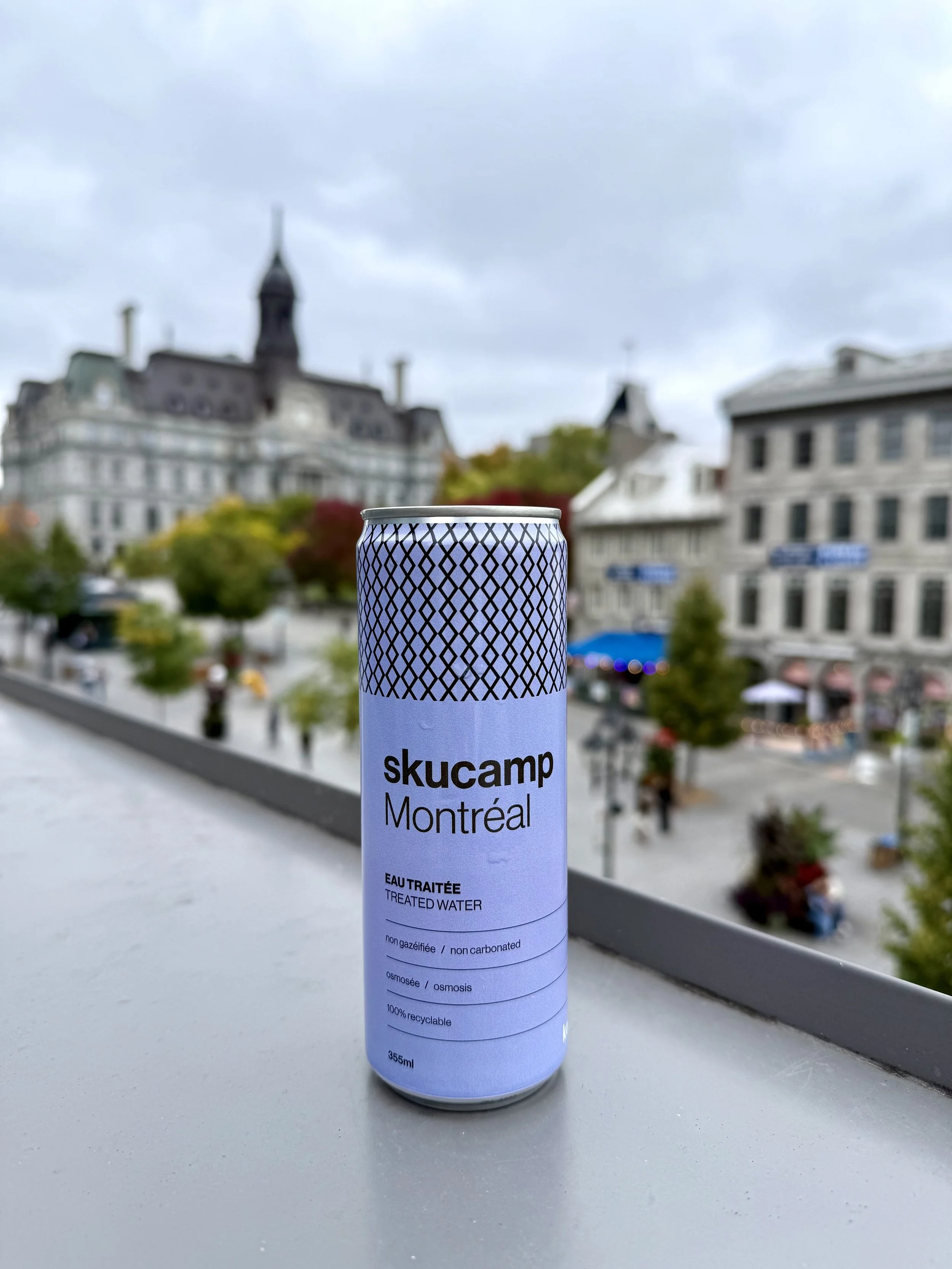
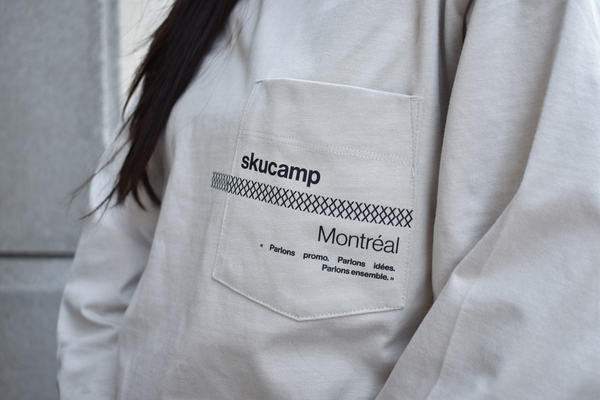
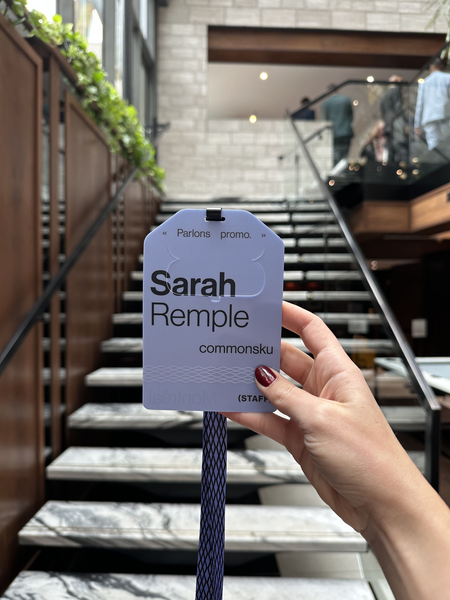
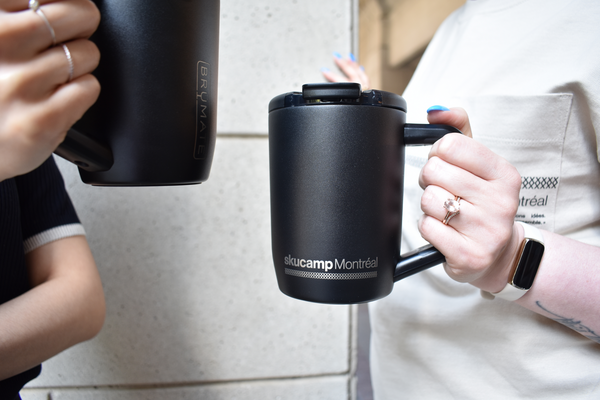
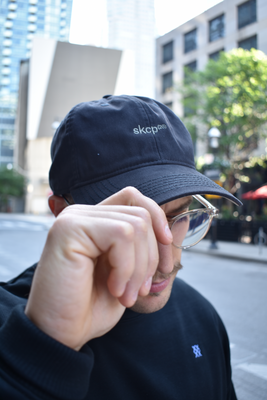
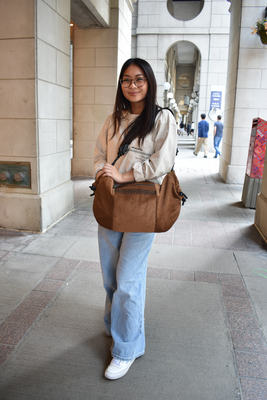
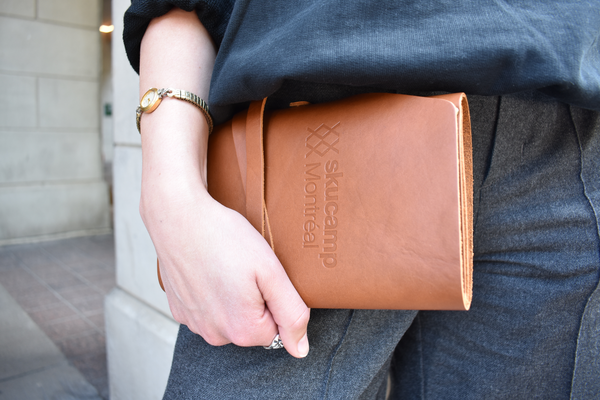
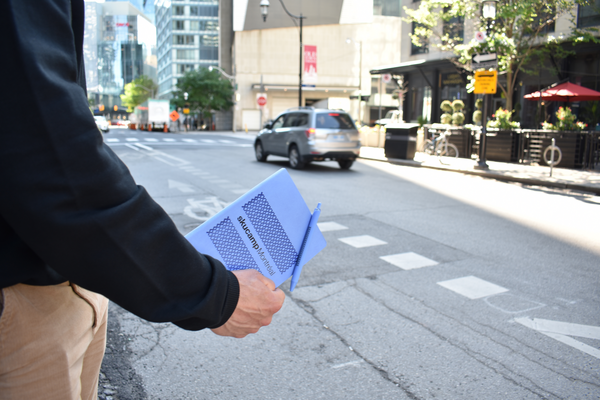
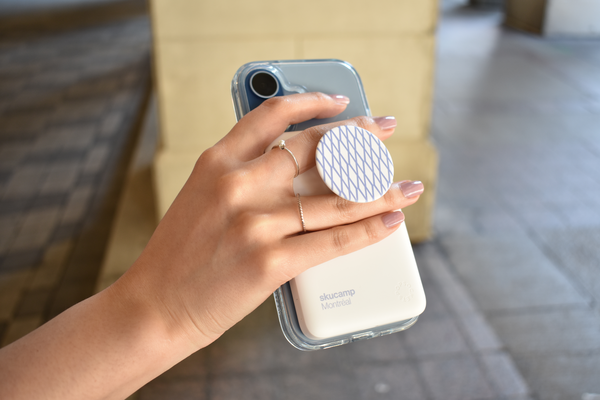
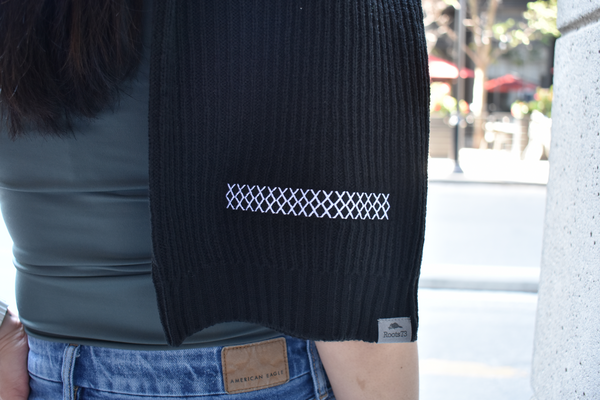
The collection: Montreal's old ports.
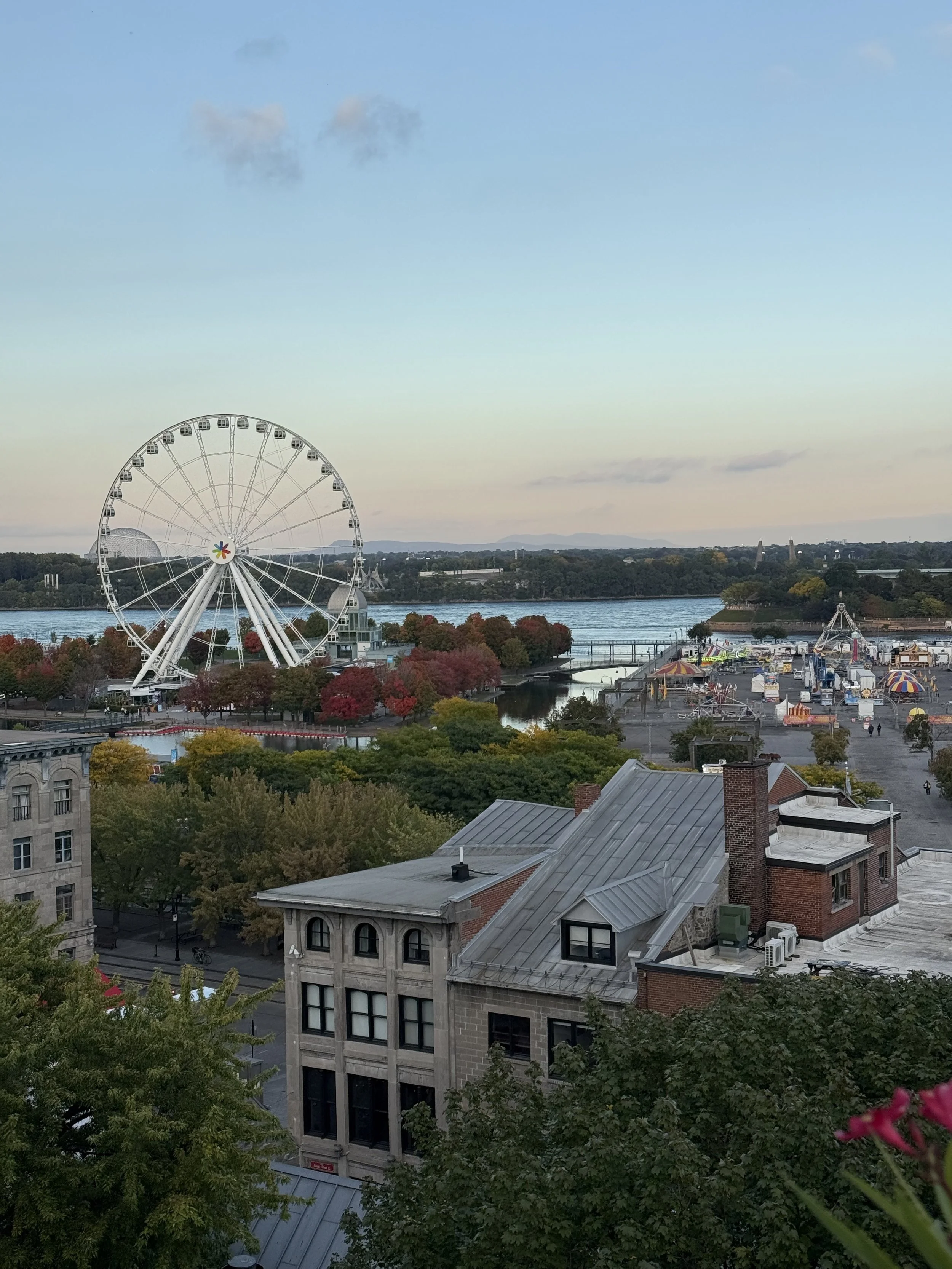
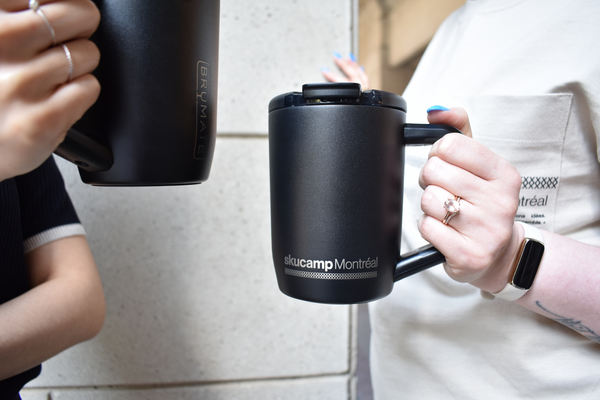
skucamp was in Montreal, and the suppliers built the merch collection around the old ports: the rope and leather and other materials that would have moved through there. We weren't handed a polished gift box. We were handed a Numo bag, grabbed a few pieces laid out nearby, and hopped in line for the activation. It was low-key, but the theme turned a handful of pieces into a set with a story, which made it a physical example of Ana's portfolio idea.
A few standouts:
The custom canned water was my favorite, which surprised me. It was the humblest thing we picked up, and it felt like luxury. Thinner aluminum, a shape that felt good in the hand, completely tasteful. Proof that design, not price, is what makes something feel special.
The Numo corduroy sling, the bag itself, had an enormous embroidery imprint area. That's impressive decorating real estate. The laser-engraved details done on site were a highlight: our initials on the cap's leather strap and on the leather accessories organizer. And the Canadian-made knit scarf won over my usual polyester skepticism. It's warm and well made.
The heavyweight long sleeve was a favorite of mine before the conference, since it wears like a light sweatshirt, so it was validating to see others championing it too. The over-the-pocket print was a great touch. But here's the honest miss: the print on mine cracked before I'd even washed it, even though the supplier test-washed theirs several times. I'd rather tell you that than pretend everything was flawless. It wasn't, and that's fine.
The smartest small idea: the event credential doubled as a bookmark. Most conference badges get tossed the second the event is over. Giving one a second life keeps a brand around long after the event. That's the whole philosophy in miniature.
What made it work operationally: the on-site personalization lived inside a four-hour check-in window, so everyone had time to get it done without a brutal line. I waited maybe ten minutes. We already do on-site personalization at Bel, but turning it into a relaxed welcome ritual instead of a bottleneck was a great reminder.
How do we measure cultural impact?
Ana's question stuck with me. My honest answer: when a client reorders, I know it worked. That's the wallet vote. The softer layer is identifying the cultural leaders in a client's orbit and tracking what they post and the mentions that ripple out from there, not just raw impressions. I'm still working out how to teach clients to track that well, and I'd love to hear how others are doing it.
What I came home with.
skucamp confirmed we're on the right track. It reinforced my belief that merch should be a tool to build culture, and it reminded me that we're building products for people, not just for money. As Todd Henry put it, our legacy isn't the work, it's the people. I'm building my body of work today, and that's the part I'll carry.